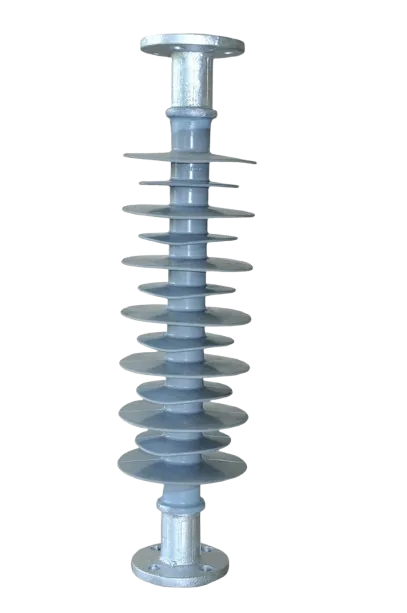
Looking for Composite Polymer Post Insulators in India?
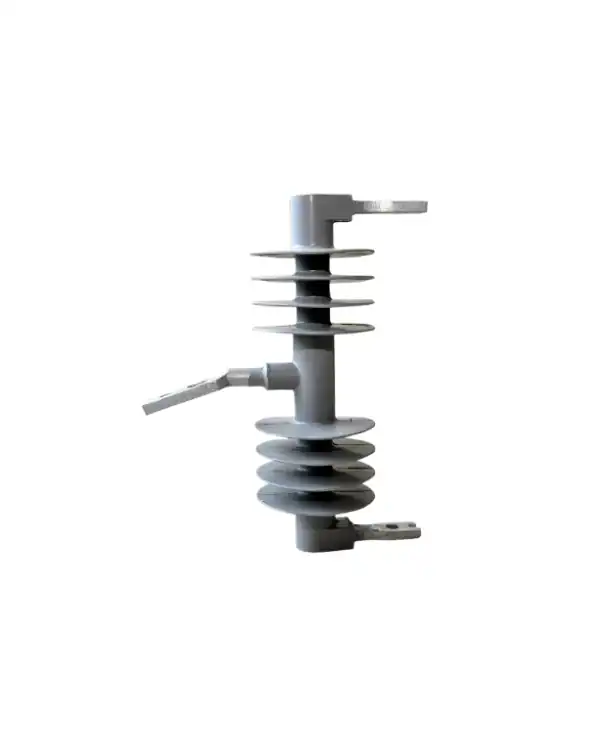
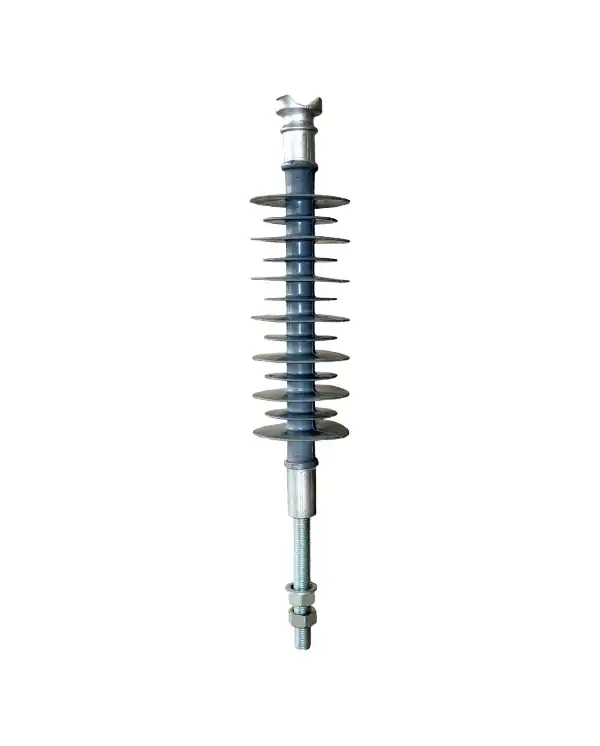
What Are Composite Polymer Post Insulators?
Made with silicone rubber housing and a fiberglass core, these insulators are ideal replacements for porcelain due to their light weight, strength, and pollution resistance.
Key Benefits:
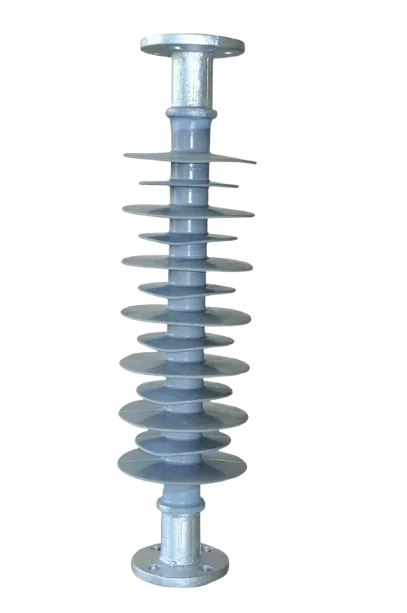
Technical Specifications – Composite Polymer Post Insulators
| Parameter | 11 KV | 22 KV | 33 KV |
|---|---|---|---|
| Nominal System Voltage (KV) | 11 | 22 | 33 |
| Rated System Voltage (KV) | 12 | 24 | 36 |
| Frequency (Hz) | 50 | 50 | 50 |
| Minimum Failing Load (KN) | 5 | 5 & 10 | 10 |
| Creepage Distance (MM) | 320 | 600 | 900 / 1116 |
| Dry Power Frequency Withstand Voltage (KV) | 65 | 85 | 110 |
| Wet Power Frequency Withstand Voltage (KV) | 45 | 55 | 95 |
| No. of Sheds (Typical) | 3 + 3 | 5 + 5 | 10 + 10 |
| Applicable Standards | IEC 61109:2008 / IEC 62217 / IEC 61462 | IEC 61109:2008 / IEC 62217 / IEC 61462 | IEC 61109:2008 / IEC 62217 / IEC 61462 |
Why Choose VSL India
Our Post Insulators undergo 5,000-hour accelerated ageing and mechanical tests to ensure long-term reliability and compliance with IEC 61109 / IEC 62217 / IEC 61462 standards.
Why Power Utilities Choose VSL India:
- In-house FRP rod production (ECR glass + hydrolysis-resistant epoxy).
- Proven high-voltage reliability for 11–33 KV systems.
- Compact, lightweight, and corrosion-resistant design.
- Customized heights, creepage distances, and fittings.
- Stringent quality control with advanced testing infrastructure.
Certifications for Polymer Post Insulators
Quality assurance and third-party test reports relevant to our industrial products.
FAQs
What is a polymer post insulator and what is its function?
A polymer post insulator is a composite electrical insulator designed to provide rigid support and electrical isolation for conductors and equipment in substations and overhead distribution systems. It consists of a fiberglass reinforced core with silicone rubber housing that ensures high mechanical strength and excellent insulation performance in medium and high-voltage applications.
Where are polymer post insulators commonly used?
Polymer post insulators are widely used in substations, switchyards, overhead distribution lines, and railway electrification systems. They support bus bars, disconnect switches, and other high-voltage equipment while maintaining proper electrical clearance and insulation.
Why are polymer post insulators preferred over porcelain post insulators?
Polymer post insulators are lighter, more impact-resistant, and less fragile than porcelain alternatives. Their hydrophobic silicone rubber surface prevents moisture buildup and reduces flashover risk, especially in polluted or coastal environments. They also reduce transportation and installation costs due to their lightweight structure.
What voltage ratings are available for polymer post insulators?
Polymer post insulators are available in various voltage classes ranging from medium voltage systems like 11 kV and 33 kV to high-voltage and extra high-voltage applications depending on design requirements. Voltage rating selection depends on system specifications and required creepage distance.
Are polymer post insulators suitable for outdoor substation use?
Yes, polymer post insulators are specifically engineered for outdoor substations and harsh environmental conditions. Their UV-resistant silicone housing protects against environmental aging, while their hydrophobic properties reduce contamination-related electrical failures.
How long do polymer post insulators last?
High-quality polymer post insulators typically have a service life of 25–30 years or more under standard operating conditions. Their resistance to UV radiation, corrosion, and environmental stress ensures long-term durability with minimal performance degradation.
What mechanical strength do polymer post insulators provide?
Polymer post insulators are designed to withstand significant cantilever loads, bending forces, and mechanical stress. They undergo mechanical load testing to ensure compliance with industry standards and to guarantee safe operation in high-voltage systems.
Do polymer post insulators require regular maintenance?
Polymer post insulators require minimal maintenance due to their hydrophobic surface that reduces dust and pollution buildup. Routine visual inspections are generally sufficient, which helps lower maintenance costs and improve operational efficiency.
What standards should polymer post insulators comply with?
Polymer post insulators should comply with recognized standards such as IEC, IS (Indian Standards), or ANSI guidelines. Compliance ensures reliable electrical performance, mechanical strength, thermal stability, and environmental durability.
How do polymer post insulators improve substation reliability?
Polymer post insulators minimize flashovers, reduce contamination-related failures, and withstand mechanical stress effectively. Their lightweight yet strong design enhances installation efficiency and long-term reliability, contributing to stable and uninterrupted power supply in substations and distribution networks.
Get a Quote
Business Hours
Mon - Sat: 9:00 AM - 6:00 PM