
Composite Polymer Insulators
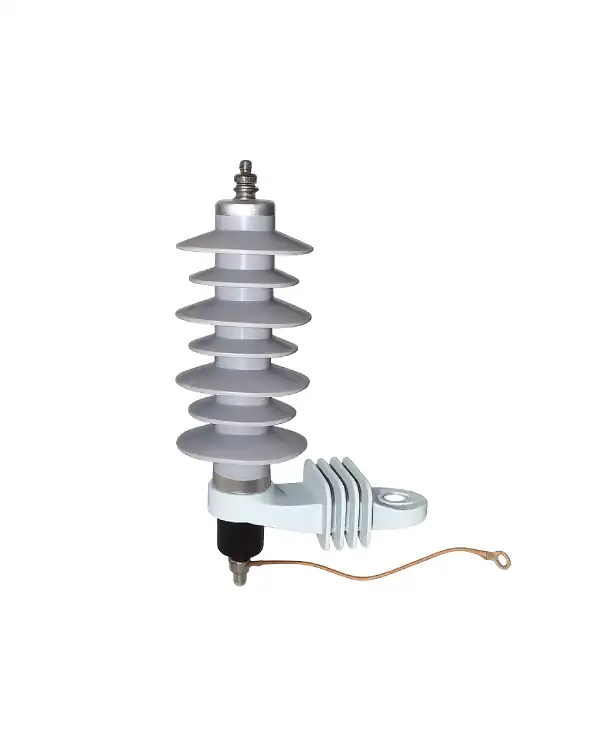
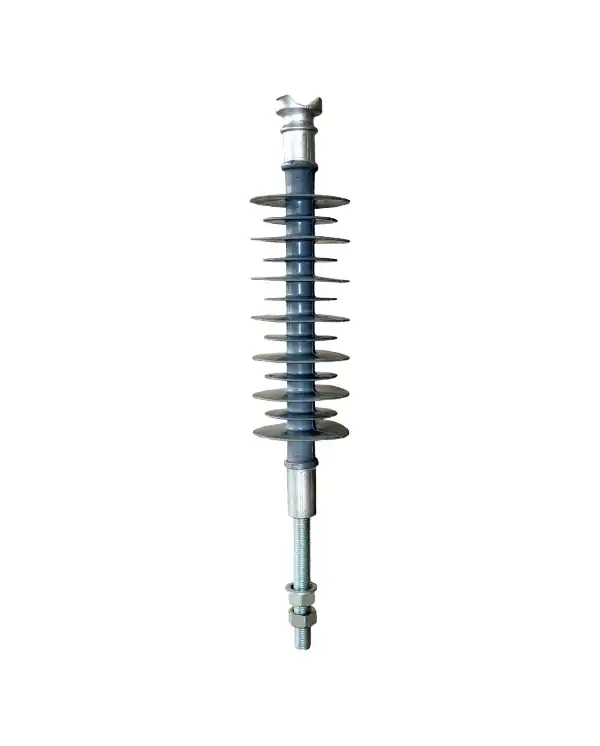
At Venkateswara Suppliers Pvt Ltd (VSL India), we specialize in designing and manufacturing high-quality Composite Polymer Insulators for modern power distribution and transmission systems across India.
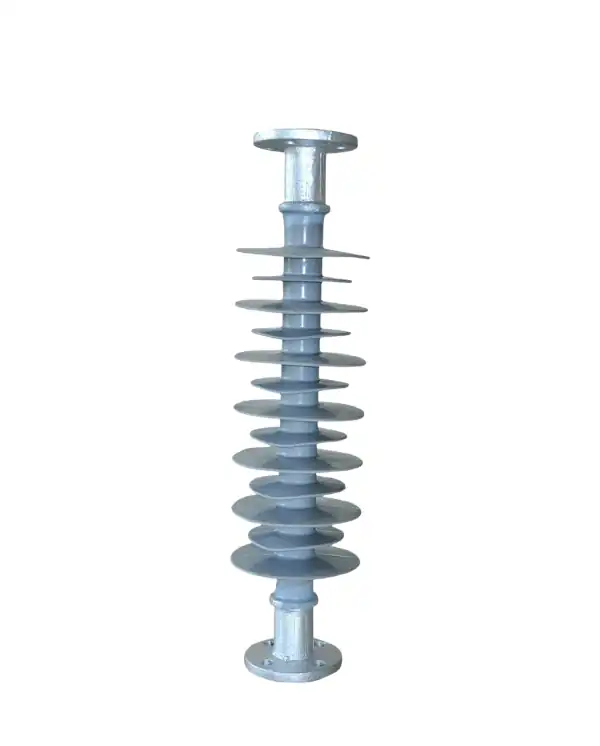
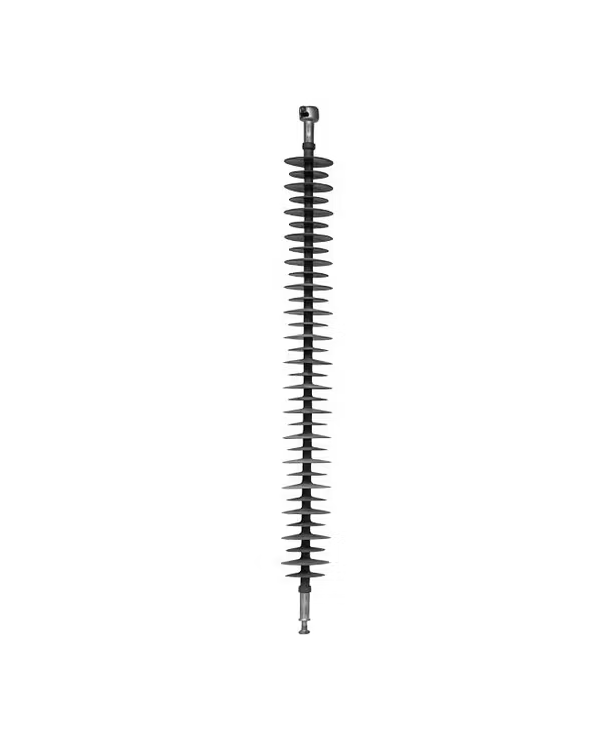
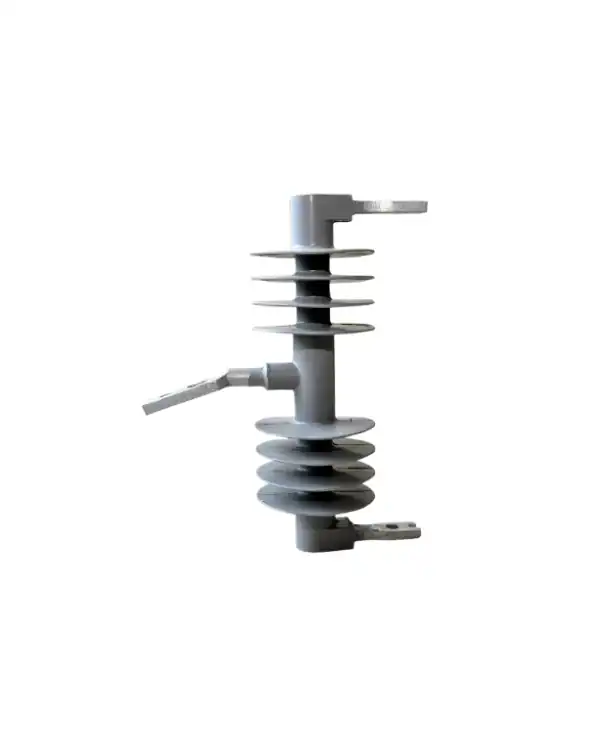
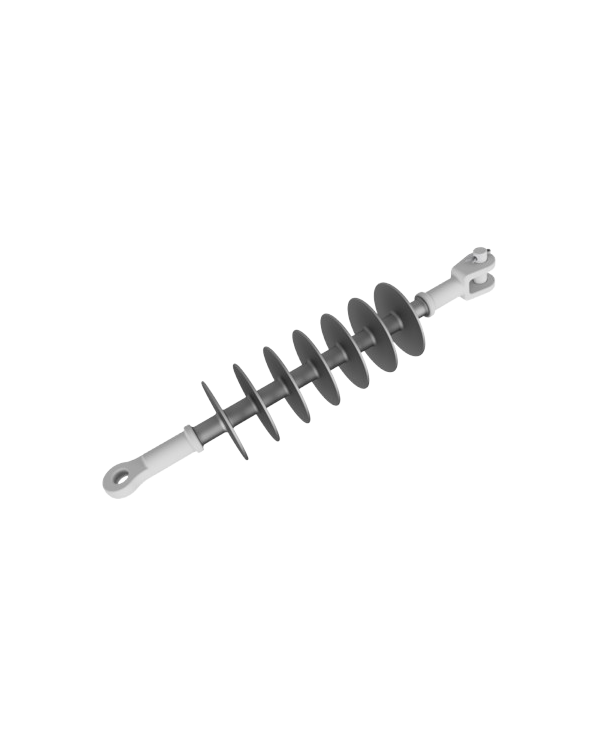
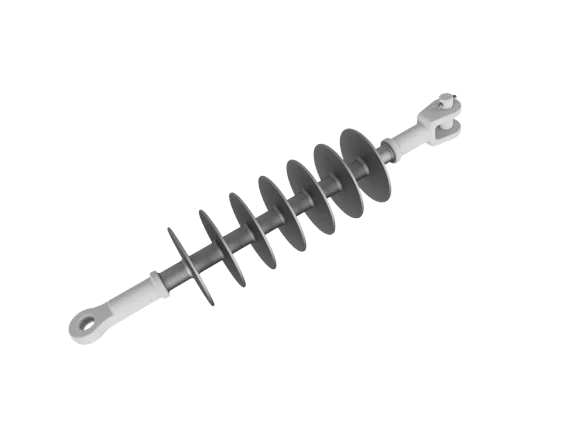
Engineered with FRP cores, silicone rubber housing, and precision metal fittings, our polymer insulators ensure superior mechanical strength, pollution resistance, and long-term reliability — truly living up to our promise of being Safe. Strong. Durable.
What Are Composite Polymer Insulators?
They replace traditional porcelain or glass insulators with lightweight, non-brittle, and corrosion-resistant alternatives suitable for harsh Indian climates.
Advantages at a glance
Suitable for polluted and harsh environments
Resistance to breakage and vandalism
Superior tracking and erosion resistance
Resistance to earthquake
Low leakage current
Environment friendly process of manufacture
Good mechanical and electrical characteristics
Light in weight - handling and transportation advantage
Easy to install and maintenance free
Excellent hydrophobicity, hence no need to clean
Why Choose VSL India Composite Polymer Insulators
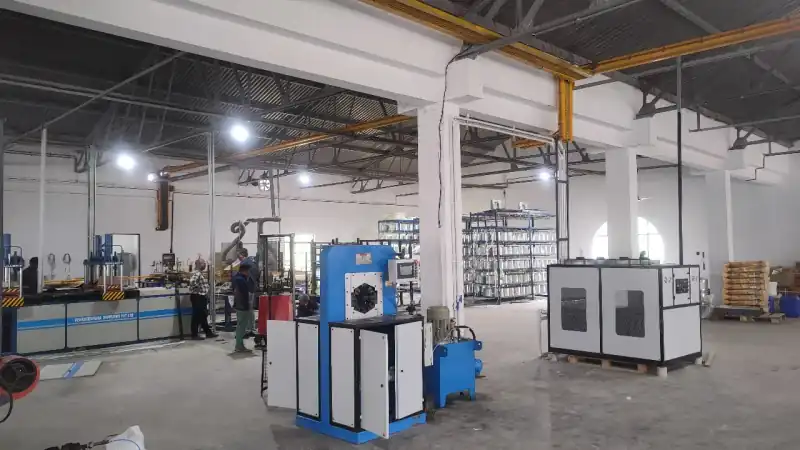
Our advanced Palakkad facility features in-house FRP pultrusion, HTV & LSR silicone moulding, and automated quality testing up to 200 kV.
Key Benefits:
Salient Features
VSL India insulators have qualified in 5000 hours Accelerated Ageing test as per IEC: 62217.
VSL India insulators have qualified in 1000 hours Tracking and Erosion test as per IEC: 62217.
Use of both HTV and LSR grades of silicone rubber depending upon the requirement of the product.
FRP rods are manufactured in-house using ECR grade Glass Fiber and Hydrolysis Resistant Epoxy Resin System.
The VSL India make composite silicone rubber insulators meet the requirements of IEC: 61109, IEC 62217, IEC: 60815, IEC: 62231, IEC: 61462, ANSI C29.13 and any relevant international standards.
Robust packing for easy handling, transportation and site storage.
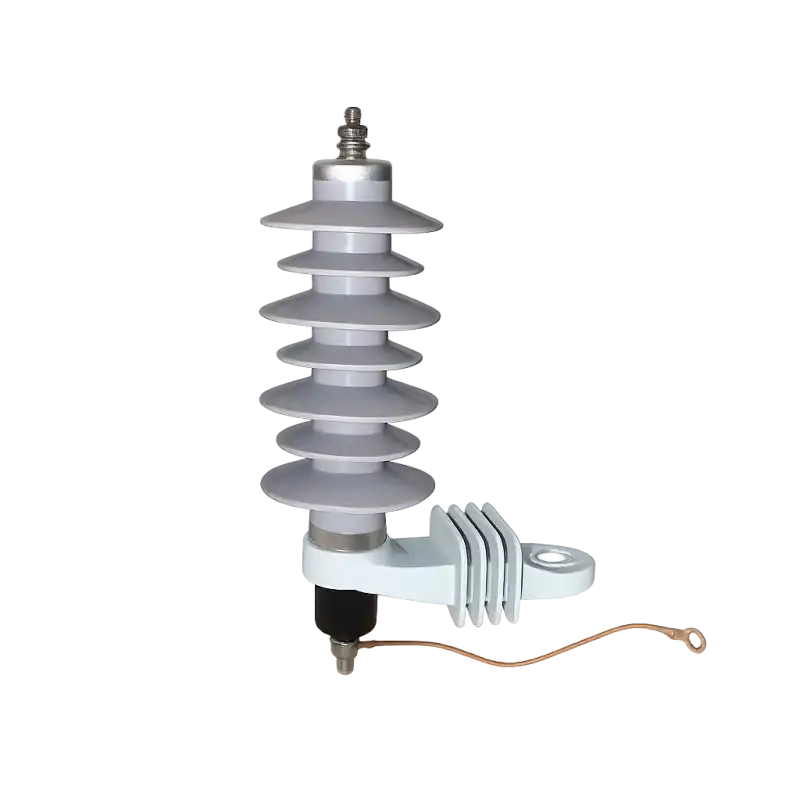
Polymer vs Porcelain vs Glass Insulators
A technical comparison between composite polymer, traditional ceramic porcelain, and toughened glass insulators.
| Feature | Polymer Insulators | Porcelain Insulators | Glass Insulators |
|---|---|---|---|
| Weight | Lightweight, making transportation and installation easier. | Heavy, requiring more handling during installation. | Heavy, similar to porcelain, increasing installation effort. |
| Mechanical Strength | High strength-to-weight ratio with excellent impact resistance. | High compressive strength but can crack under impact. | Good mechanical strength but brittle and prone to breakage from impact. |
| Pollution Performance | Excellent performance in polluted, coastal, and industrial environments due to hydrophobic silicone rubber housing. | Moderate performance; requires regular cleaning in contaminated areas. | Good surface performance but can lose efficiency in heavily polluted environments without maintenance. |
| Maintenance | Very low maintenance because of self-cleaning hydrophobic properties. | Requires periodic inspection and cleaning to maintain insulation performance. | Requires regular inspection and cleaning, especially in polluted environments. |
| Lifespan | Typically 20–30+ years with proper installation and maintenance. | Long service life but performance can reduce over time due to contamination and ageing. | Long service life if undamaged, but breakage can require replacement. |
| Cost | Competitive lifecycle cost with lower maintenance expenses. | Moderate initial cost but higher maintenance costs over time. | Moderate to high initial cost with additional maintenance requirements. |
| Installation | Quick and easy due to lightweight construction, reducing labour time and costs. | More time-consuming because of heavier weight. | Requires careful handling during installation because of its brittle nature. |
| Weather & UV Resistance | Excellent resistance to UV radiation, moisture, chemicals, and harsh weather conditions. | Good weather resistance but may develop surface contamination over time. | Good weather resistance but susceptible to damage from impact or vandalism. |
| Best Applications | Power transmission and distribution lines, substations, railways, renewable energy projects, and coastal or polluted environments. | Conventional transmission and distribution networks with moderate environmental exposure. | High-voltage transmission lines where visual inspection of damage is preferred. |
Test Facilities
Our state-of-the-art testing laboratory ensures every product meets international quality standards
Silicon Rubber
- Tensile Strength
- Percentage Elongation
- Tear Strength
- Specific Gravity
- Hardness (Shore A)
- Inclined Plane Tracking & Erosion Test as per IEC:60587
- Moulding Machine for Making Rubber Sheets
FRP
- Dry Penetration
- Water Diffusion
- Percentage of glass content
- Water Absorption
- Brittle Fracture Resistance
- Bending Load Test
- Specific gravity
Metal Fittings
- Uniformity of Zinc coating
- Mass of Zinc coating
Insulators
- Non-Destructive Testing for bonding in the insulator
- Ultrasonic Crack Detection During Crimping
- Horizontal tensile test machine for test on long rod insulator including routine testing
- Bending test machine for Post and Railway Insulators
- High Voltage test up to 200kv
- Assembled core load-time test on all types of long rod insulators
Certifications for Polymer Insulators
Quality assurance and third-party test reports relevant to our industrial products.
FAQs
What is the difference between polymer and porcelain insulators?
Polymer insulators are lightweight, corrosion-resistant, and offer better performance in polluted and coastal environments compared to porcelain insulators. They require less maintenance and are easier to install, making them a preferred choice for modern power transmission and distribution networks.
What voltage ratings are available for polymer insulators?
VSL India manufactures polymer insulators in a wide range of voltage ratings, including 11kV, 22kV, 33kV, 66kV, and 132kV, with customized solutions available for specific utility and industrial applications.
Do polymer insulators comply with IEC standards?
Yes. Polymer insulators are manufactured to meet relevant IEC standards and industry specifications, ensuring reliable electrical performance, mechanical strength, and long-term durability in demanding operating conditions.
How do polymer insulators perform in contaminated environments?
Polymer insulators provide excellent contamination performance due to their hydrophobic silicone rubber housing, which resists moisture, dust, salt, and industrial pollution. This helps reduce leakage current and improves reliability in harsh environments.
Where are polymer insulators commonly used?
Polymer insulators are widely used in power transmission and distribution networks, substations, railways, renewable energy projects, and industrial electrical systems where high reliability and weather resistance are essential.
What is the expected lifespan of polymer insulators?
High-quality polymer insulators typically provide a service life of 20–30 years or more with minimal maintenance. Their resistance to UV radiation, moisture, pollution, and corrosion ensures long-lasting performance in outdoor electrical applications.
Get a Quote
Business Hours
Mon - Sat: 9:00 AM - 6:00 PM