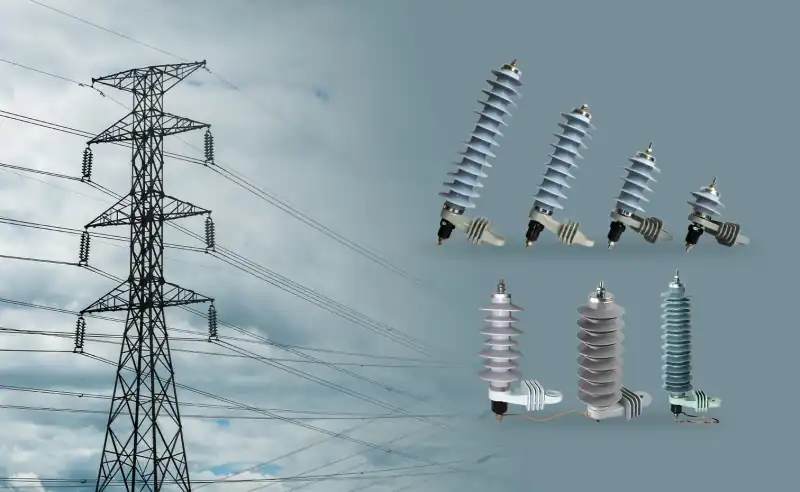
Looking for Composite Polymer Lightning Arresters in India?
What Is a Composite Polymer Lightning Arrester?
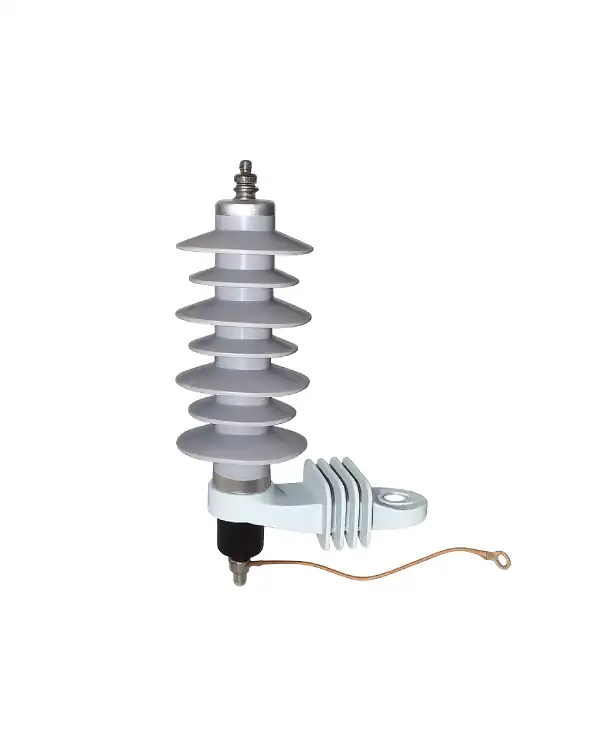
Composite Polymer Lightning Arresters use non-linear zinc oxide blocks encapsulated in a polymer housing to discharge surge energy safely to the ground — without any spark gap.Compared to porcelain arresters, polymer versions are lighter, hydrophobic, and maintenance-free, offering long-term stability even in polluted or coastal zones.
Key Benefits:
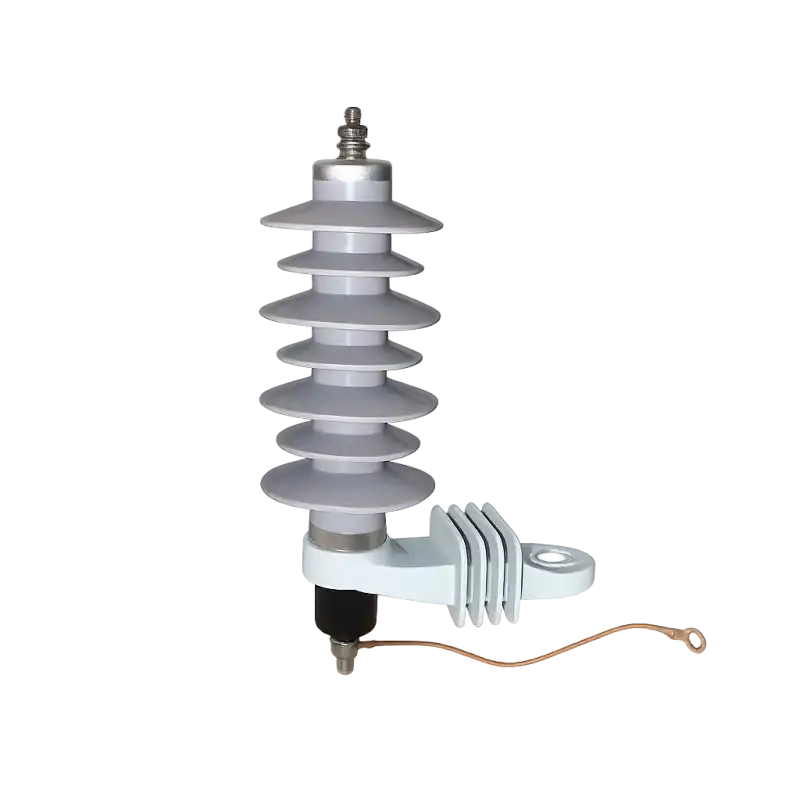
Technical Specifications – Composite Polymer Disc / Long Rod Insulators
| Parameter | 11 KV | 33 KV |
|---|---|---|
| Nominal System Voltage (KV) | 5KV | 10KV |
| Rated System Voltage (KV) | 11 | 33 |
| Frequency (Hz) | 50 | 50 |
| Class | Distribution | Distribution |
| Nominal Discharge Current (kA) | 5 | 10 |
| Creepage Distance (mm) | 320 | 900 |
| Applicable Standards | IEC 60099-4 | IEC 60099-4 |
| Housing Material | Silicone Rubber over FRP Core | Silicone Rubber over FRP Core |
Why Choose VSL India
Our polymer arresters are type-tested and quality-certified as per IEC 60099-4 standards to ensure maximum reliability and consistent performance.
Why Power Engineers Trust VSL India:
- Proven surge protection for 11 KV and 33 KV networks.
- Advanced silicone rubber housing for better pollution performance.
- Long operational life — maintenance-free and non-fragile.
- Compact design, suitable for pole or substation mounting.
- In-house testing and quality verification for every batch.
Certifications for Polymer Lightning Arresters
Quality assurance and third-party test reports relevant to our industrial products.
FAQs
What is a polymer lightning arrester and how does it work?
A polymer lightning arrester is a surge protection device designed to protect electrical equipment from voltage spikes caused by lightning strikes or switching surges. It diverts excessive voltage safely to the ground, preventing damage to transformers, transmission lines, and other critical power system components.
Where are polymer lightning arresters commonly used?
Polymer lightning arresters are widely used in transmission lines, distribution networks, substations, pole-mounted transformers, renewable energy installations, and industrial power systems. They are essential for protecting high-value electrical equipment from sudden overvoltage conditions.
Why choose polymer lightning arresters over porcelain arresters?
Polymer lightning arresters are lighter, impact-resistant, and less prone to cracking compared to porcelain types. Their silicone rubber housing provides superior resistance to moisture, pollution, and UV radiation, making them ideal for outdoor installations and harsh environmental conditions.
What voltage ratings are available for polymer lightning arresters?
Polymer lightning arresters are available in various voltage ratings, including common distribution classes like 11 kV, 22 kV, and 33 kV, as well as higher transmission voltage levels depending on system requirements. Custom configurations can be manufactured based on project specifications.
How do polymer lightning arresters protect transformers?
Polymer lightning arresters limit transient overvoltages by conducting surge currents safely to the ground. This prevents insulation breakdown, overheating, and equipment failure in transformers, thereby extending equipment life and reducing downtime.
Are polymer lightning arresters suitable for coastal and polluted environments?
Yes, polymer lightning arresters perform exceptionally well in coastal and industrial areas. Their hydrophobic silicone rubber housing prevents moisture film formation and contamination buildup, reducing leakage currents and improving reliability.
What standards should polymer lightning arresters comply with?
Polymer lightning arresters should comply with recognized standards such as IEC, IS (Indian Standards), or ANSI specifications. Compliance ensures proper energy handling capability, thermal stability, electrical performance, and mechanical durability.
Do polymer lightning arresters require regular maintenance?
Polymer lightning arresters require minimal maintenance. Periodic visual inspection and condition monitoring are typically sufficient. Their corrosion-resistant design ensures long service life with reduced maintenance costs.
How long do polymer lightning arresters last?
High-quality polymer lightning arresters typically provide a service life of 20–30 years under normal operating conditions. Their UV-resistant and weatherproof construction ensures durability in outdoor installations.
How can I select the right polymer lightning arrester for my project?
Selecting the correct polymer lightning arrester depends on system voltage, discharge class, environmental conditions, and protection level requirements. Consulting with the manufacturer ensures the arrester matches your system specifications and complies with applicable standards.
Get a Quote
Business Hours
Mon - Sat: 9:00 AM - 6:00 PM