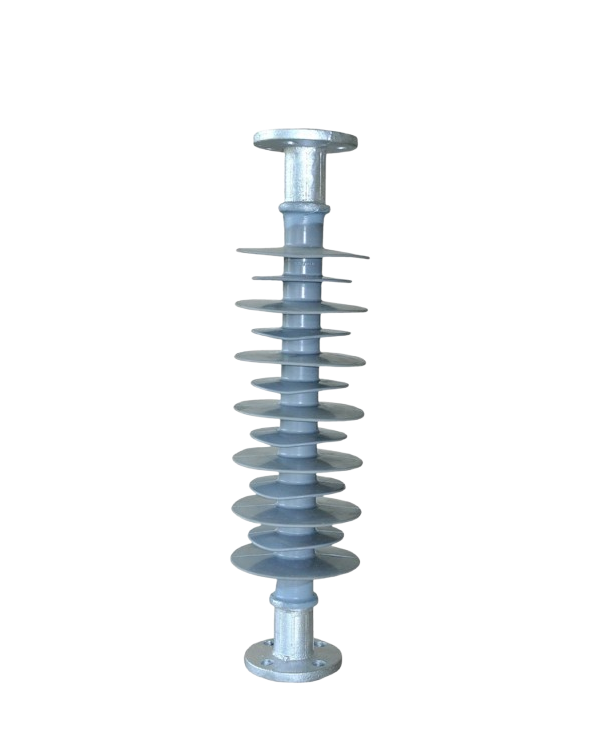
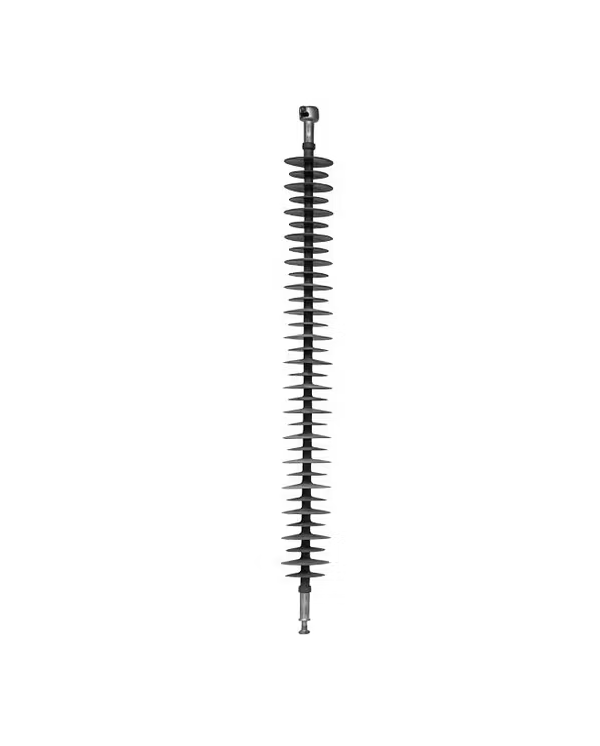
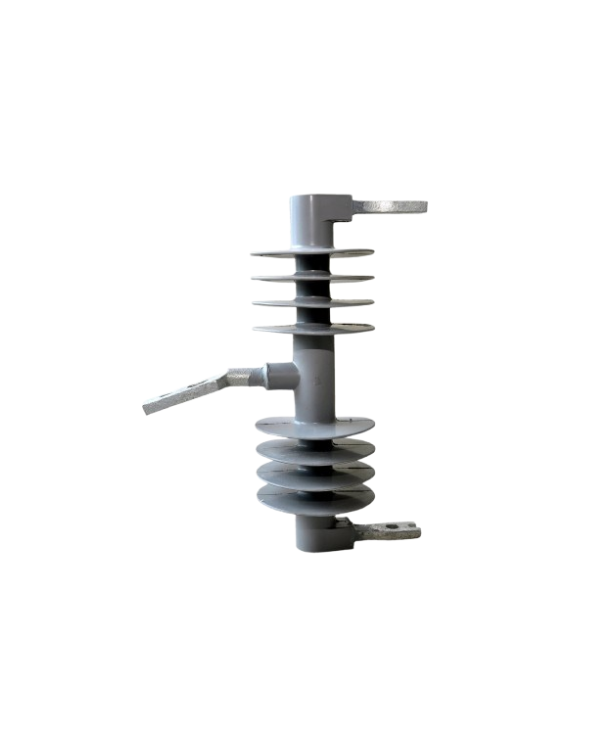
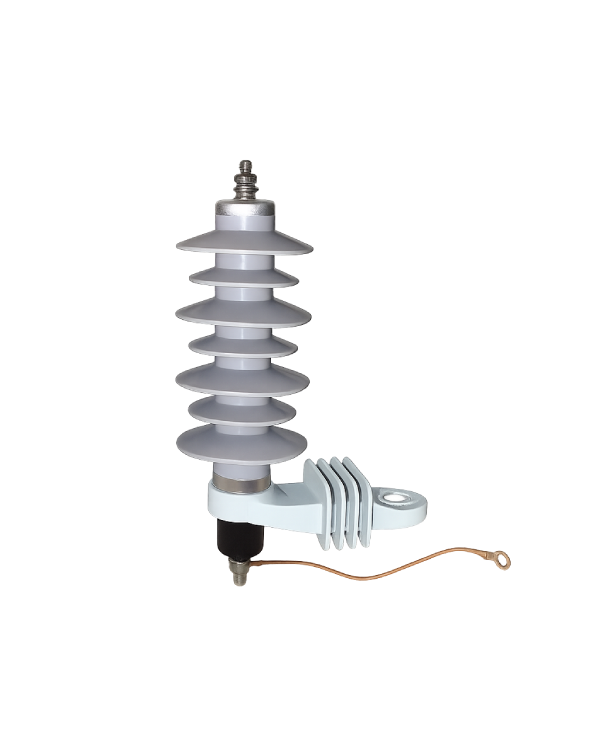
Looking for Composite Polymer Drop Out Fuse (DOF) units in India?
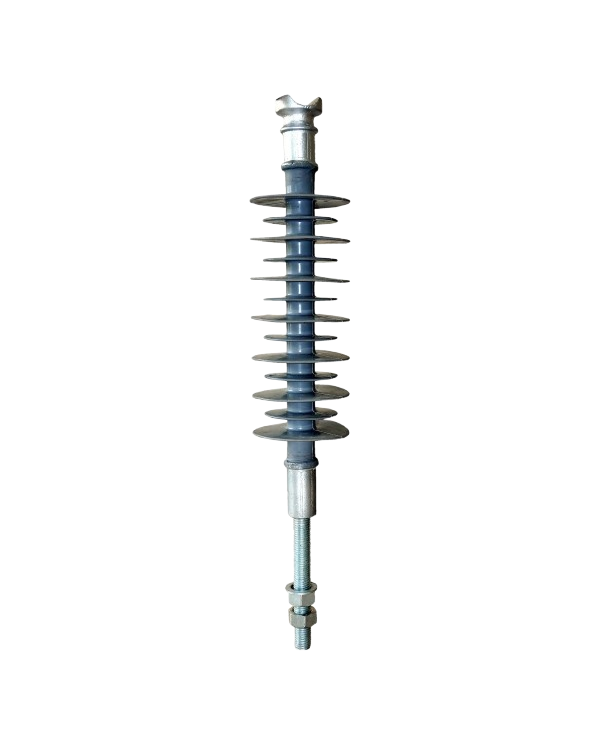
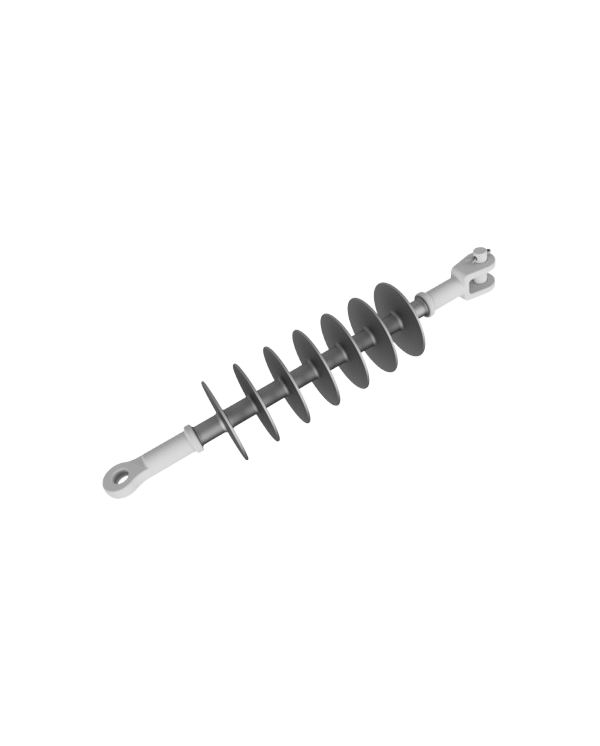
Technical Specifications – Composite Polymer Drop Out Fuse
| Parameter | 11 KV | 22 KV | 33 KV |
|---|---|---|---|
| Nominal System Voltage (KV) | 11 | 22 | 33 |
| Rated System Voltage (KV) | 12 | 24 | 36 |
| Minimum Failing Load (KN) | 5 | 5 & 10 | 10 |
| Creepage Distance (MM) | 320 | 600 | 900 & 1116 |
| Dry Power Frequency Withstand Voltage (KV) | 65 | 85 | 110 |
| Wet Power Frequency Withstand Voltage (KV) | 45 | 55 | 95 |
| No Of Sheds | 3 & 3 | 5 & 5 | 10 & 10 |
Why Choose VSPL
Why Power Utilities Choose VSPL:
- Advanced FRP core and silicone rubber technology.
- Available in 11 KV, 22 KV, and 33 KV ratings.
- Long service life in humid and polluted environments.
- In-house testing up to 200 KV.
- Robust packing and quick delivery across India.

FAQs
A polymer dropout fuse is a protective device used in overhead distribution systems to safeguard transformers and distribution lines from overcurrent and short-circuit faults. It consists of a fuse tube mounted on polymer insulators, which drops open when a fault occurs, visually indicating interruption while isolating the faulty section of the line.
Polymer dropout fuses are widely used in distribution networks, pole-mounted transformers, rural electrification projects, and industrial power systems. They are typically installed on overhead lines to provide reliable protection against overload and fault conditions.
Polymer dropout fuses are lighter, more impact-resistant, and less prone to cracking compared to porcelain types. Their silicone rubber housing provides better resistance to pollution, moisture, and UV radiation, reducing flashover risks and improving long-term reliability in harsh environments.
Polymer dropout fuses are commonly available in voltage ratings such as 11 kV, 22 kV, and 33 kV, depending on distribution system requirements. Custom configurations can also be manufactured to meet specific utility standards and project needs.
Yes, polymer dropout fuses are highly suitable for coastal and high-pollution environments. The hydrophobic silicone housing prevents moisture film formation and contamination buildup, minimizing leakage current and enhancing performance reliability.
Polymer dropout fuses provide fast fault isolation by disconnecting the circuit when excessive current flows. This protects transformers and connected equipment from damage due to short circuits or overload conditions, reducing downtime and repair costs.
Polymer dropout fuses require minimal maintenance compared to porcelain types. Routine visual inspection and periodic fuse link replacement are typically sufficient. Their corrosion-resistant design reduces the need for frequent servicing.
Polymer dropout fuses should comply with applicable IEC, IS (Indian Standards), or ANSI specifications. Compliance ensures safe interruption performance, mechanical durability, environmental resistance, and reliable fault protection.
High-quality polymer dropout fuses typically offer long service life under normal operating conditions. Their UV-resistant and corrosion-resistant materials ensure durability even in challenging outdoor environments.
Selecting the right polymer dropout fuse depends on voltage rating, interrupting capacity, current rating, environmental conditions, and system protection requirements. Consulting with the manufacturer helps ensure proper product selection based on technical specifications and grid standards.
Get a Quote
Business Hours
Mon - Sat: 9:00 AM - 6:00 PM