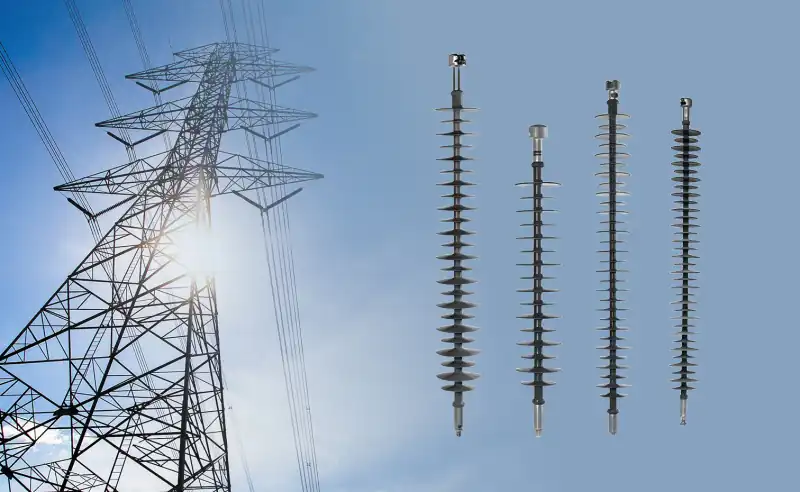
Searching for Composite Polymer Long Rod Insulators in India?
What Are Composite Polymer Long Rod Insulators?
They offer superior mechanical strength, vandalism resistance, and excellent hydrophobicity, ensuring stable performance even under heavy pollution or moisture.
Advantages at a Glance:
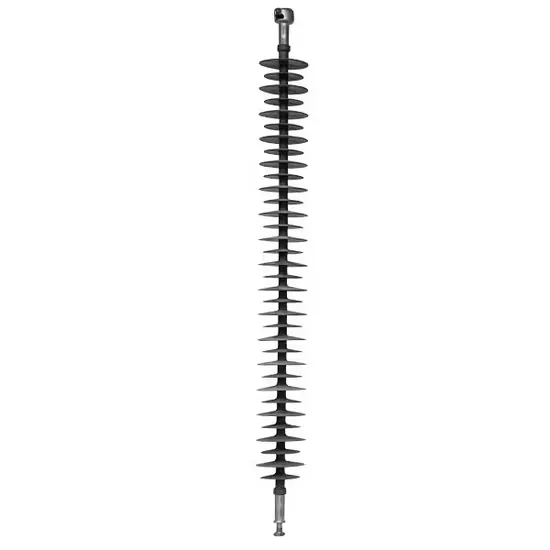
Technical Specifications – Composite Polymer Long Rod Insulators
| Parameter | 66 KV | 110 KV | 132 KV | 220 KV | 400 KV |
|---|---|---|---|---|---|
| Nominal System Voltage (KV) | 66 | 110 | 132 | 220 | 400 |
| Rated System Voltage (KV) | 72.5 | 123 | 145 | 245 | 420 |
| Frequency (Hz) | 50 | 50 | 50 | 50 | 50 |
| Minimum Failing Load (KN) | 70 , 90 , 120 | 70 , 90 , 120 | 70 , 90 , 120 , 160 | 120 , 160 , 210 | 90 , 120 , 160 |
| Creepage Distance (KV/MM) | 31 × KV | 31 × KV | 31 × KV | 31 × KV | 31 × KV |
| Applicable Standards | IEC 61109:2008 / IEC 62217 | IEC 61109:2008 / IEC 62217 | IEC 61109:2008 / IEC 62217 | IEC 61109:2008 / IEC 62217 | IEC 61109:2008 / IEC 62217 |
Why Choose VSL India
Our Composite Polymer Long Rod Insulators are developed and type-tested as per IEC 61109, IEC 62217, and ANSI C29.13 standards to ensure consistent performance and safety in the toughest operating environments.
Why Utilities Prefer VSL India:
- In-house FRP pultrusion and rubber moulding facility.
- Proven performance in high-voltage lines (up to 400 KV).
- Stringent quality testing — 5,000 hrs accelerated ageing, 1,000 hrs tracking tests.
- Quick customization with B&S or T&C end fittings.
- Supplied across major transmission and renewable projects in India.
Certifications for Polymer Long Rod Insulators
Quality assurance and third-party test reports relevant to our industrial products.
FAQs
What is a polymer long rod insulator and how does it work?
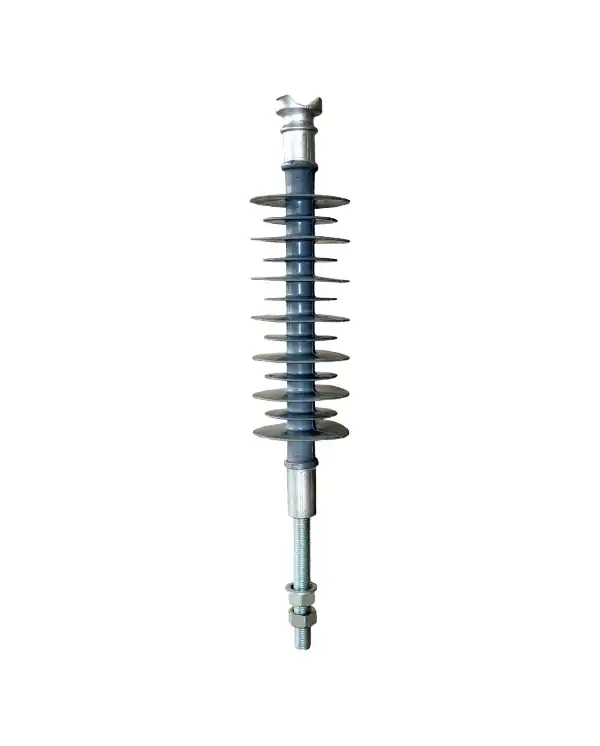
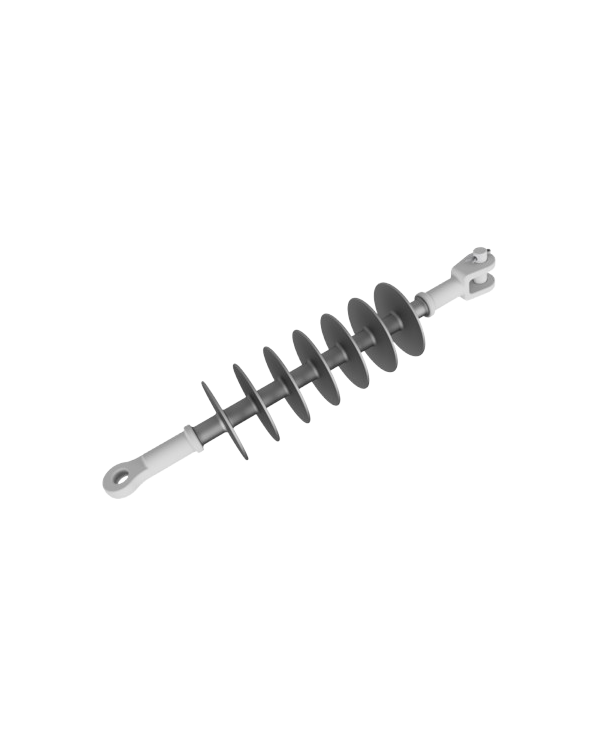
A polymer long rod insulator is a composite suspension insulator designed for overhead transmission lines. It consists of a fiberglass reinforced core rod enclosed in silicone rubber housing with metal end fittings. It provides electrical insulation between the conductor and the tower while supporting high tensile loads in medium and high-voltage systems.
Where are polymer long rod insulators commonly used?
Polymer long rod insulators are widely used in transmission lines, substations, railway electrification projects, and power distribution systems. They are especially suitable for high-voltage and extra high-voltage applications requiring strong mechanical performance and reliable insulation.
Why choose polymer long rod insulators over porcelain insulators?
Polymer long rod insulators are lighter, more durable, and resistant to impact and vandalism compared to porcelain insulators. Their hydrophobic silicone rubber surface reduces contamination buildup and flashover risks, making them ideal for polluted, coastal, and high-humidity environments.
What voltage ratings are available for polymer long rod insulators?
Polymer long rod insulators are available in a wide range of voltage ratings, typically from 33 kV up to 400 kV and above, depending on system design and creepage distance requirements. Custom specifications can be manufactured to meet project standards.
How do polymer long rod insulators perform in polluted or coastal areas?
Polymer long rod insulators perform exceptionally well in polluted and coastal environments due to their hydrophobic silicone rubber housing. This prevents water film formation on the surface, reduces leakage current, and minimizes flashover risks, ensuring stable power transmission.
What mechanical loads can polymer long rod insulators withstand?
Polymer long rod insulators are designed to handle high tensile loads required in transmission lines. They undergo mechanical failing load (MFL) and routine tensile testing to ensure safe performance under heavy conductor tension and environmental stress.
How long do polymer long rod insulators last?
High-quality polymer long rod insulators typically offer a service life of 25–30 years or more. Their resistance to UV radiation, corrosion, environmental aging, and thermal stress ensures long-term durability and reduced maintenance costs.
Do polymer long rod insulators require regular maintenance?
Polymer long rod insulators require minimal maintenance compared to ceramic insulators. Their self-cleaning hydrophobic surface reduces contamination buildup, lowering the frequency of washing and inspection in polluted areas.
What standards should polymer long rod insulators comply with?
Polymer long rod insulators should comply with international and national standards such as IEC, IS, or ANSI. These standards ensure proper electrical insulation performance, mechanical strength, environmental durability, and safety compliance.
How do polymer long rod insulators improve transmission line reliability?
Polymer long rod insulators reduce flashovers, withstand high mechanical stress, and maintain consistent insulation performance even in harsh environments. Their lightweight design simplifies installation while enhancing grid stability and long-term operational reliability.
Get a Quote
Business Hours
Mon - Sat: 9:00 AM - 6:00 PM