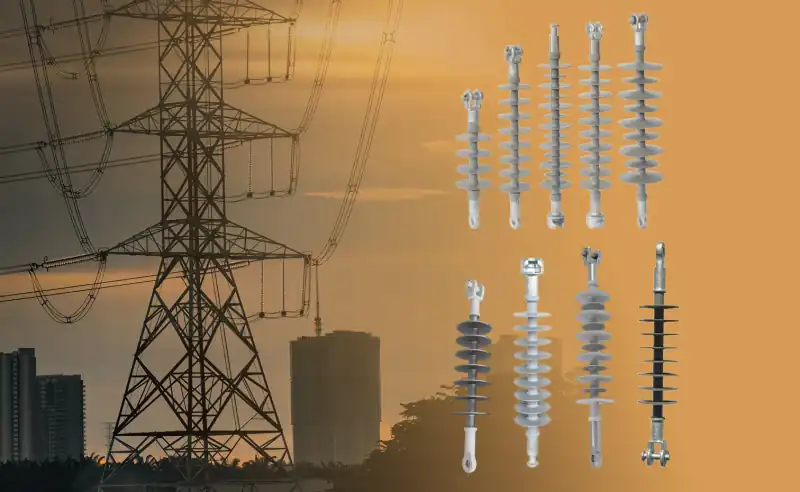
Looking for Composite Polymer Disc Insulators in India?
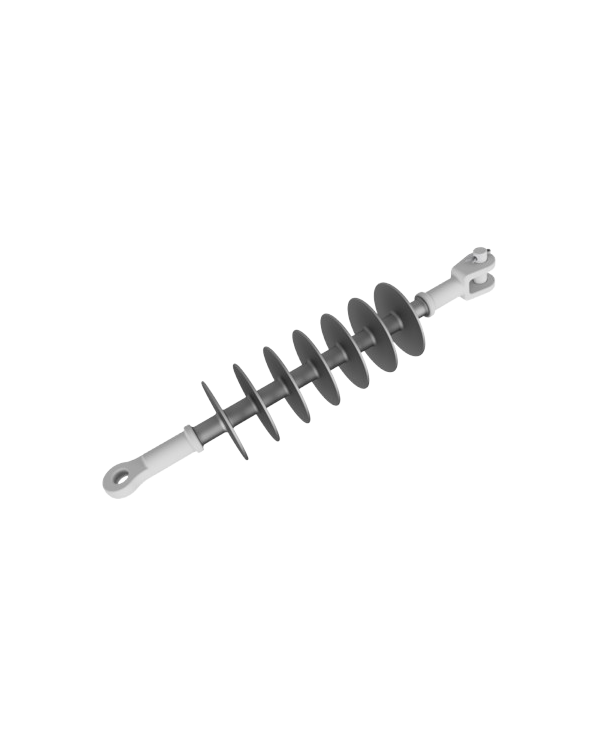
What Are Composite Polymer Disc Insulators?
Key Benefits:
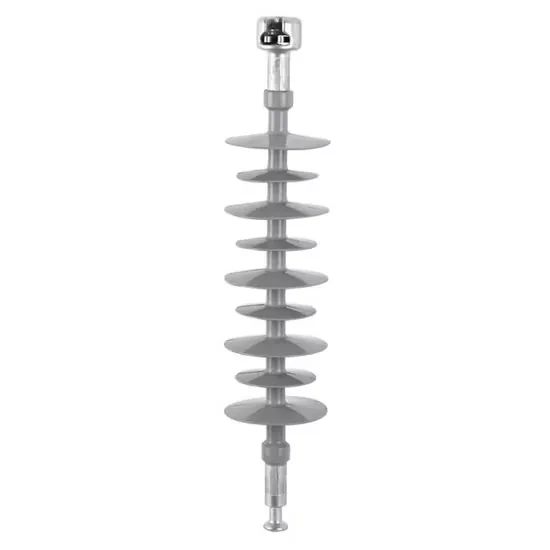
Technical Specifications – Composite Polymer Disc / Long Rod Insulators
| Parameter | 11 KV | 15 KV | 22 KV | 33 KV |
|---|---|---|---|---|
| Nominal System Voltage (KV) | 11 | 15 | 22 | 33 |
| Rated System Voltage (KV) | 12 | 17 | 24 | 36 |
| Frequency (Hz) | 50 | 50 | 50 | 50 |
| Creepage Distance (mm) | 320 | 430 | 665 | 900 / 1116 |
| Dry Power Frequency Withstand Voltage (KV) | 65 | 75 | 85 | 110 |
| Wet Power Frequency Withstand Voltage (KV) | 45 | 55 | 55 | 95 |
| End Fittings Type | Ball & Socket (B&S), Tongue & Clevis (T&C), Dead End | B&S, T&C | B&S, T&C | B&S, T&C |
| Applicable Standards | IEC 61109:2008 / IEC 62217 | IEC 61109:2008 / IEC 62217 | IEC 61109:2008 / IEC 62217 | IEC 61109:2008 / IEC 62217 |
Why Choose VSL India for Composite Disc Insulators
What Sets VSL India Apart
- FRP core rods manufactured in-house with ECR glass + hydrolysis-resistant epoxy resin
- Silicone rubber available in HTV and LSR grades
- Type-tested for 5,000 hours accelerated ageing & 1,000 hours erosion test (IEC 62217)
- Proven performance in 66 KV to 400 KV systems
- Quick supply timelines & custom fitting designs
Certifications for Polymer Disc Insulators
Quality assurance and third-party test reports relevant to our industrial products.
FAQs
What is a polymer disc insulator and how does it work?
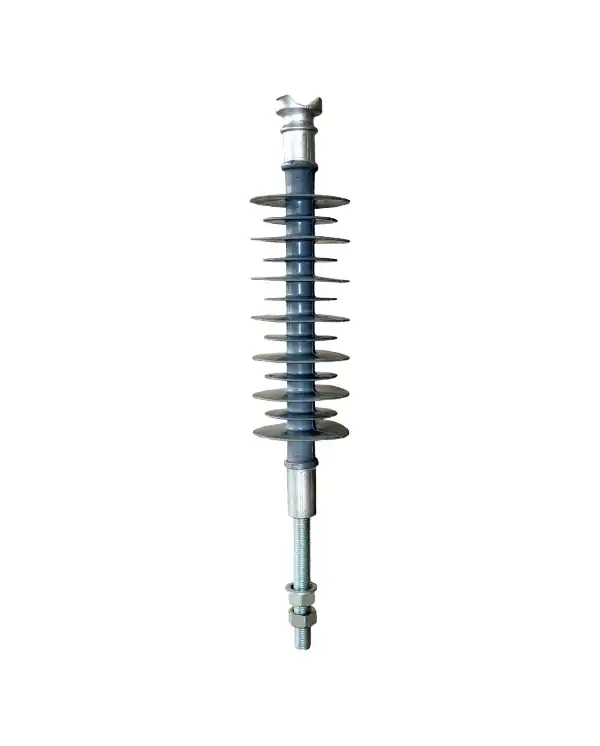
A polymer disc insulator is a composite suspension insulator designed for overhead transmission lines. It consists of a fiberglass reinforced core rod covered with silicone rubber housing and metal end fittings. It electrically isolates the conductor from the transmission tower while supporting mechanical tension loads in high-voltage systems.
What are polymer disc insulators used for?
Polymer disc insulators are primarily used in high-voltage and extra high-voltage transmission lines. They are installed in suspension strings to support conductors over long spans while maintaining electrical insulation and mechanical strength under varying environmental conditions.
Why choose polymer disc insulators over porcelain disc insulators?
Polymer disc insulators are lighter, more impact-resistant, and less prone to cracking compared to porcelain insulators. Their hydrophobic silicone surface resists pollution and moisture, reducing flashover risk. They also lower transportation costs and installation time due to their lightweight construction.
Are polymer disc insulators suitable for coastal and polluted environments?
Yes, polymer disc insulators are highly suitable for coastal, industrial, and high-pollution areas. The silicone rubber housing provides hydrophobicity, preventing water film formation and minimizing leakage currents. This significantly improves performance in harsh environmental conditions.
What voltage ratings are available for polymer disc insulators?
Polymer disc insulators are available in a wide range of voltage ratings depending on transmission system requirements. They are commonly used in systems ranging from 33 kV up to 400 kV and higher, depending on creepage distance and mechanical load specifications.
How long do polymer disc insulators last?
High-quality polymer disc insulators typically offer a service life of 25–30 years or more when manufactured according to international standards. Their resistance to UV radiation, thermal stress, and environmental contamination contributes to long-term durability.
What mechanical loads can polymer disc insulators withstand?
Polymer disc insulators are designed to withstand high tensile loads required for transmission line applications. They are tested for mechanical failing load (MFL) and routine tensile strength to ensure they meet utility and grid safety standards.
Do polymer disc insulators require frequent maintenance?
Polymer disc insulators require minimal maintenance compared to porcelain insulators. Their self-cleaning hydrophobic surface reduces contamination buildup, minimizing the need for regular washing in polluted areas and lowering overall maintenance costs.
What standards should polymer disc insulators comply with?
Polymer disc insulators should comply with recognized standards such as IEC, IS, or ANSI. Compliance ensures they meet electrical insulation requirements, mechanical strength ratings, aging resistance, and environmental performance criteria for reliable transmission line operation.
How do polymer disc insulators improve transmission line reliability?
Polymer disc insulators reduce flashovers, mechanical failures, and contamination-related outages. Their lightweight design reduces structural stress on towers, while superior electrical performance ensures stable power transmission, contributing to overall grid efficiency and reliability.
Get a Quote
Business Hours
Mon - Sat: 9:00 AM - 6:00 PM